
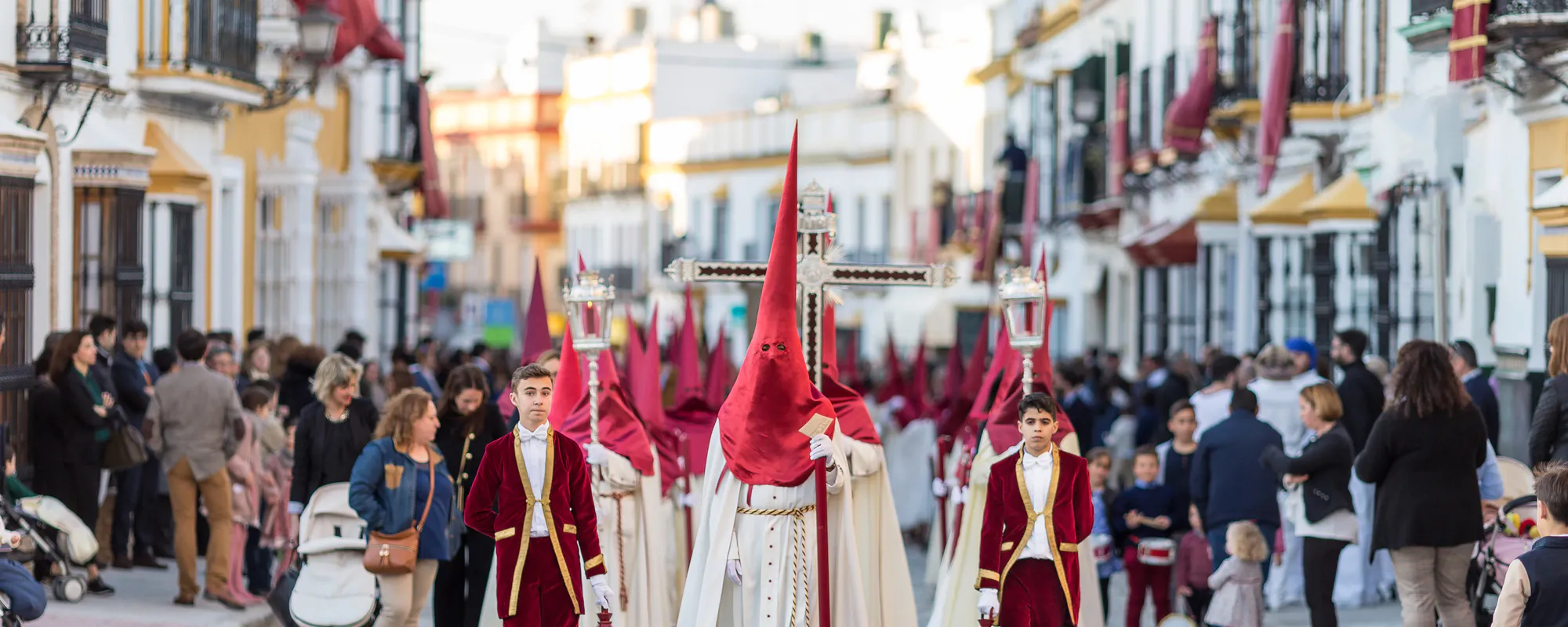
Spain - Catholicism On The Wane
Spain is moving away from religion faster than almost any other European country.
According to Pew Research Center data on religious switching, Spain has experienced one of the most pronounced declines in Christian identity among Western countries. While in many societies a large majority of people raised in a religion retain it into adulthood, Spain stands out for its high rate of religious disaffiliation: 87 % of Spanish adults report being raised Christian, but only 54 % now identify as Christian — meaning that 36 % of Spaniards who were raised Christian no longer describe themselves as such. This represents the largest net loss of Christians (as a share of the adult population) among the 27 countries analysed in this study.
This decline in Christian affiliation mirrors broader secularisation trends in Spain. Other sources find that a growing share of adults identify as religiously unaffiliated (“nones”), and that this group comprises a larger portion of the population in Spain compared with most Western European countries outside the Benelux and Scandinavia. Estimates suggest that almost 40 % of Spanish adults now identify as non-religious, with even higher proportions among younger generations.
Although Catholicism remains the largest single religious identity in Spain, formal religious practice is low. National sociological surveys show that a majority of self-identifying Catholics rarely or never attend Mass, and only a minority participate in regular weekly worship.
By comparison with other Western European societies, Spain’s decline in Christian affiliation and rise in non-religion are among the most marked, exceeded historically only by a few countries such as Belgium, Norway, and the Netherlands in some measures of secularisation.
This shifting religious landscape reflects deeper social change. Spain — once one of the most uniformly Catholic countries in Europe — is now a highly secular, tolerant and socially liberal society. Legal milestones such as the equal-marriage law and legal adoption for same-sex couples (introduced in 2005) reflect that change, alongside broader public attitudes that tend to be less influenced by traditional religious doctrine. Younger Spaniards in particular are more likely to describe themselves as non-religious or to express spiritual beliefs outside organised religion.
In essence, Spain today is a society where cultural Catholic identity often persists more as heritage than as active religious commitment — a transition that few outside the country might have anticipated just decades ago.